I’ve been living in Lisbon for three years now, and the question I get asked most by people planning to move here is always the same: “Which neighbourhood should I live in?”
It’s a massive decision because you’re not just picking a place to sleep. You’re choosing the streets you’ll walk every day, the café where you’ll become a regular, the view from your window that’ll become your new normal.
Lisbon isn’t a one-size-fits-all city. Some corners feel like you’ve stepped back a thousand years into old-world Portugal, while others are sleek and modern with waterfront views that make you forget you’re even in Europe.
After three years of exploring every corner of this city, moving neighbourhoods twice, and having countless conversations with expats over coffee, I’ve put together this guide to help you figure out where you actually want to live—not just where looks good on Instagram.
What You Need to Know About Lisbon Before Choosing a Neighbourhood
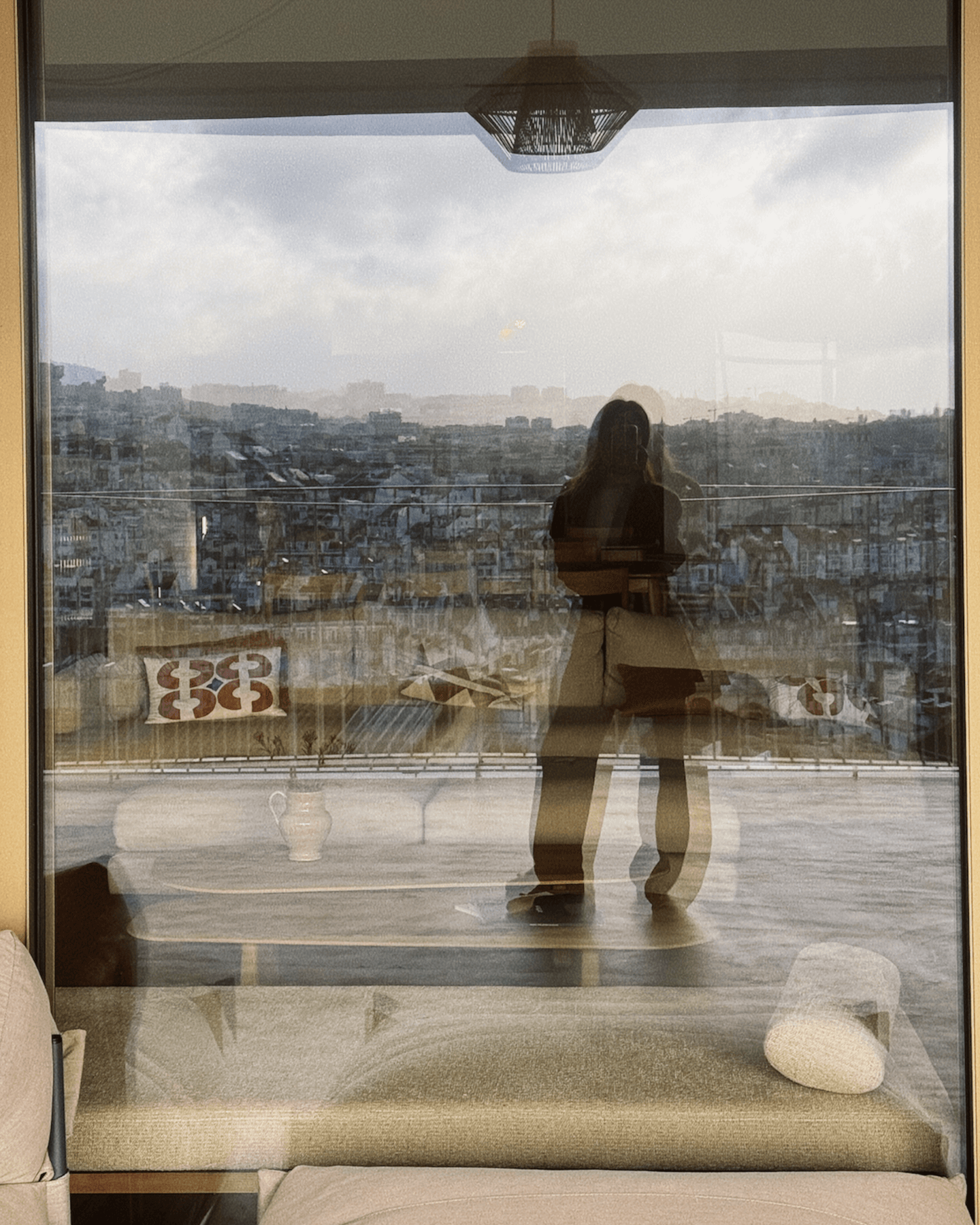 Lisbon is built on seven hills. This isn’t just a fun fact—it dramatically affects your daily life.
Some neighbourhoods have steep cobbled streets that look gorgeous in photos but become less charming when you’re carrying groceries uphill in 35-degree heat. Others are relatively flat and easy to navigate.
Public transport is excellent in central areas but gets patchy further out. The metro doesn’t cover the entire city, so you’ll rely on trams, buses, or your own two feet in many neighbourhoods.
Rental prices have skyrocketed in the past few years. A one-bedroom apartment in central Lisbon now averages around €1,400-€1,500 per month, though you can find cheaper options if you’re willing to live further out or in less trendy areas.
Tourist season (June-September) makes certain neighbourhoods unbearable. What feels charming and lively in October can feel
like Disneyland by July.
Now let’s break down the neighbourhoods.
The Best Lisbon Neighbourhoods for Expats in 2026
Campo de Ourique: The Village Within the City
If you want that “local Lisbon” feeling without sacrificing convenience, this is your neighbourhood.
Campo de Ourique has a village-like atmosphere even though you’re right in the city. It’s incredibly popular with families and English-speaking expats, which means you’ll find international schools nearby, cafés with oat milk, and people who understand you when you accidentally order in English.
The streets are tree-lined and walkable. There’s a fantastic market (Mercado de Campo de Ourique) where you can get fresh produce and also sit down for lunch. The neighbourhood feels residential and calm but you’re a quick tram ride to Bairro Alto if you want nightlife.
Rent: €1,500-€1,700 for a one-bedroom
Vibe: Family-friendly, safe, village feel
Transport: Tram 28, several bus lines
Good for: Families, anyone wanting a community feel
Príncipe Real: Trendy, Cool & Gorgeous
This is where the cool kids live.
Príncipe Real (literally “Royal Prince”) is one of Lisbon’s most fashionable neighbourhoods. Boutique shops, excellent restaurants, art galleries, leafy squares with jacaranda trees, and some of the best brunch spots in the city.
It’s also Lisbon’s LGBTQ+ hub, which means it’s progressive, inclusive, and has a vibrant bar scene without being as rowdy as Bairro Alto.
The Príncipe Real Garden is perfect for morning coffee or afternoon reading. The neighbourhood is hilly but manageable. You’re walking distance to Chiado and Bairro Alto, which is both a blessing (convenience) and a curse (tourists).
Rent: €1,600-€2,000+ for a one-bedroom
Vibe: Trendy, cosmopolitan, upscale casual
Transport: Several bus lines, walkable to metro
Good for: Young professionals, creatives, LGBTQ+ expats
Avenidas Novas: Wide Streets and Modern Living
If you want Lisbon’s version of “easy living,” this is it.
Avenidas Novas is known for wide sidewalks (rare in Lisbon), modern buildings mixed with beautiful early 1900s architecture, and being one of the flattest areas in the city. This makes a huge difference for daily life—cycling, walking, pushing a pram all become infinitely easier.
It’s more residential and businesslike than bohemian. You get excellent public transport, proximity to Parque Eduardo VII, and neighbourhoods like Saldanha that feel almost cosmopolitan.
The trade-off? It lacks the charm of older neighbourhoods. It’s efficient and comfortable but not particularly romantic.
Rent: €1,400-€1,800 for a one-bedroom
Vibe: Modern, efficient, business-friendly
Transport: Multiple metro lines, excellent connections
Good for: Professionals, families, anyone who values convenience over charm
Alfama: Old Lisbon at Its Most Authentic
If you want to live in the Lisbon you see in guidebooks, this is it.
Alfama is the city’s oldest neighbourhood—narrow cobbled streets, tiled façades, Fado music drifting from restaurants, washing hung across alleyways, São Jorge Castle looming overhead.
It’s beautiful. It’s also touristy, hilly, and impractical.
Cars can’t access many streets. You’ll be walking up steep inclines with your groceries. In summer, it’s packed with tourists taking selfies outside your door. Modern amenities (gyms, co-working spaces, big supermarkets) are limited.
But if you want authentic Lisbon and don’t mind the trade-offs, nothing beats Alfama.
Rent: €1,200-€1,600 for a one-bedroom (varies wildly)
Vibe: Historic, touristy, authentic
Transport: Tram 28 (always packed), limited metro access
Good for: Romantics, history lovers, people who don’t mind stairs
Graça: Alfama’s Quieter Sister
Graça sits on top of one of Lisbon’s seven hills and offers incredible views over the city without Alfama’s tourist chaos.
It’s residential, calm, and popular with locals, students, and expats who want authentic Lisbon without living in a postcard. You get traditional bakeries, small local shops, and some of the best miradouros (viewpoints) in the city—Miradouro da Senhora do Monte is spectacular at sunset.
The tram passes through, there are cafés and restaurants, and you’re close enough to Alfama and downtown without being in the thick of it.
Rent: €1,100-€1,400 for a one-bedroom
Vibe: Residential, traditional, peaceful
Transport: Tram 28, buses
Good for: Anyone wanting local life with views
Parque das Nações: Modern, Family-Friendly
This is Lisbon’s “new” neighbourhood, built for the 1998 World Expo.
It’s modern, clean, and feels more like a planned city than organic Lisbon. Riverside apartments, shopping centres, the Oceanarium, wide pedestrian paths, and international schools.
Families love it. Digital nomads who want modern infrastructure love it. People who want “Lisbon character” hate it.
It feels a bit sterile compared to the rest of the city, but if you have kids and want safety, green space, and reliable amenities, this is your best bet.
Rent: €1,300-€1,700 for a one-bedroom
Vibe: Modern, family-oriented, corporate
Transport: Metro, excellent connections
Good for: Families with children, corporate workers
Chiado and Bairro Alto: Central but Chaotic
Chiado is elegant—theatres, bookshops, historic cafés, high-end shops. Bairro Alto is bohemian chaos—narrow streets, bars everywhere, graffiti, nightlife.
Living here puts you in the absolute centre of everything, which sounds great until you realise that means tourists, noise, and zero parking.
Chiado is more livable than Bairro Alto (which is essentially unlivable if you value sleep), but both are expensive and best suited to people who want to be in the thick of Lisbon’s cultural scene and don’t mind the trade-offs.
Rent: €1,600-€2,200+ for a one-bedroom
Vibe: Central, cultural, touristy, loud (especially Bairro Alto)
Transport: Metro, everything is walkable
Good for: Young expats, night owls, people who hate quiet
Estrela and Lapa: Elegant, Quiet, Expensive
These are Lisbon’s posh neighborhoods.
Tree-lined streets, embassies, elegant mansions, the Basilica da Estrela, Jardim da Estrela (one of the city’s best parks). It’s sophisticated, safe, and residential.
Lapa is where diplomats and wealthy locals live. Estrela is slightly more accessible but still upscale. Both are quiet, beautiful, and expensive.
If you want refined Lisbon living and have the budget, this is where you’ll find it.
Rent: €1,800-€2,500+ for a one-bedroom
Vibe: Upscale, quiet, elegant
Transport: Trams, buses, a bit further from metro
Good for: Retirees, professionals, anyone seeking peace and sophistication
Arroios: Diverse, Affordable, Up-and-Coming
Arroios is one of Lisbon’s most multicultural neighbourhoods—you’ll hear Portuguese, Hindi, Bengali, Chinese, and about ten other languages on a single street.
It’s more affordable than central neighbourhoods, has excellent transport connections, and Mercado de Arroios is a local gem. The area is grittier and less polished than Príncipe Real or Chiado, but it’s real, diverse, and increasingly popular with younger expats.
Rent: €1,000-€1,300 for a one-bedroom
Vibe: Multicultural, local, unpretentious
Transport: Metro, excellent connections
Good for: Budget-conscious expats, people who value diversity
Practical Tips for Finding an Apartment in Lisbon
The rental market is competitive. Really competitive.
Good apartments go fast, especially in popular expat neighbourhoods. Here’s what you need to know:
Start your search on:
- Idealista (main platform)
- Imovirtual
- Facebook groups (Lisbon Digital Nomads, Apartments in Lisbon)
Be prepared to pay:
- First month’s rent
- Last month’s rent
- One month’s deposit
- Sometimes agency fees
Watch out for scams:
- Never send money before seeing the apartment
- Be wary of deals that seem too good to be true
- Verify the landlord’s identity
Short-term vs long-term:
- Short-term rentals (under 6 months) are more expensive
- Many landlords prefer year-long contracts
- Airbnb for the first month while you apartment-hunt is common
How Much Does It Actually Cost to Live in Lisbon?
Let’s be real about money.
Monthly expenses for a single person (excluding rent):
- Groceries: €200-€300
- Transport pass (Navegante): €40
- Utilities (electricity, water, internet): €100-€150
- Eating out occasionally: €150-€250
- Gym: €30-€50
Total: €700-€900 + rent
So realistically, you’re looking at €2,100-€2,400 per month for a comfortable single life in central Lisbon.
Couples can expect €3,000-€4,000 per month. Families with kids (especially if using international schools) should budget €4,000-€5,500.
Creating a Nervous System-Friendly Home in Your New Lisbon Apartment
Here’s something I learned after moving to Lisbon that no expat guide tells you: your nervous system needs time to adjust to a new country.
The constant low-level stress of navigating a new language, new systems, new social norms—it all adds up. Your body is processing a lot even when your mind thinks you’re fine.
When you’re setting up your new Lisbon apartment, think about creating a space that helps your nervous system regulate:
Natural light: Lisbon has incredible light. Choose an apartment with good windows. Light regulates your circadian rhythm and helps your body feel safe in a new environment.
Quiet corners: Even in lively neighbourhoods, create one corner that’s just for rest. Your nervous system needs a place where it can fully let its guard down.
Familiar scents: Bring something from home that smells familiar—candles, essential oils, whatever signals “safety” to your body.
Green space access: Being near a park or having plants in your apartment helps ground your nervous system. Estrela Garden, Eduardo VII, even small neighborhood squares—proximity to nature matters more than you think.
This might sound woo-woo, but after three years of watching expats (including myself) navigate the move to Lisbon, the ones who settle in fastest are the ones who create spaces that feel genuinely safe to their bodies, not just aesthetically pleasing.

Final Thoughts: Which Lisbon Neighbourhood Is Right for You?
There’s no “best” neighbourhood in Lisbon. There’s only the best neighbourhood for you.
Choose Campo de Ourique if: You want community, families, village vibes
Choose Príncipe Real if: You’re young, trendy, want to be where things are happening
Choose Avenidas Novas if: You value convenience and modern living over charm
Choose Alfama/Graça if: You’re a romantic who doesn’t mind stairs
Choose Parque das Nações if: You have kids and want modern infrastructure
Choose Chiado/Bairro Alto if: You want to be in the absolute centre (and don’t mind chaos)
Choose Estrela/Lapa if: You have the budget and want elegant, quiet living
Choose Arroios if: You want affordable, diverse, real Lisbon
The best advice I can give you? Come to Lisbon for a few weeks first. Walk the neighbourhoods. Have coffee in different areas. Notice how your body feels in each place. Your gut will tell you where you belong.
And if you get it wrong the first time? That’s fine. Most expats move neighbourhoods at least once. It’s part of the process.
Welcome to Lisbon.
—Tania
